Reef Diving in Tulum
The reefs along the coast of the Riviera Maya form part of the Mesoamerican Barrier Reef, the second-largest reef system in the world. From relaxed Caribbean reef dives in Tulum to seasonal bull shark encounters and day trips to Cozumel, there are plenty of ways for certified divers to explore the underwater world of the Mexican Caribbean.
Our Services
TULUM REEF
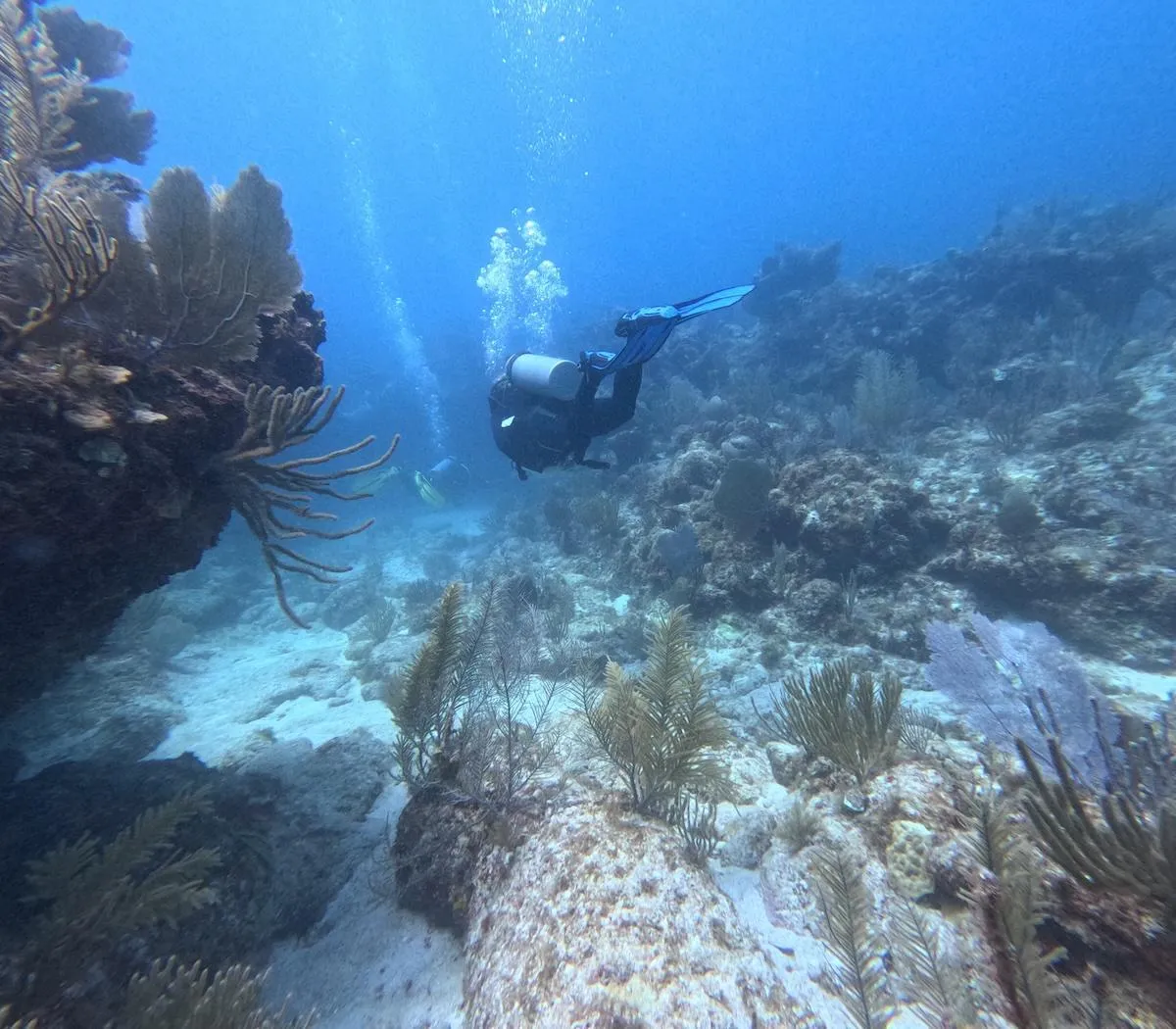
The reefs off Tulum in Tankah Bay offer relaxed Caribbean diving with coral formations, tropical fish, swim-throughs and the chance to spot turtles, stingrays, moray eels and other marine life. Conditions vary from dive to dive, making every experience a little different.
BULL SHARK Diving
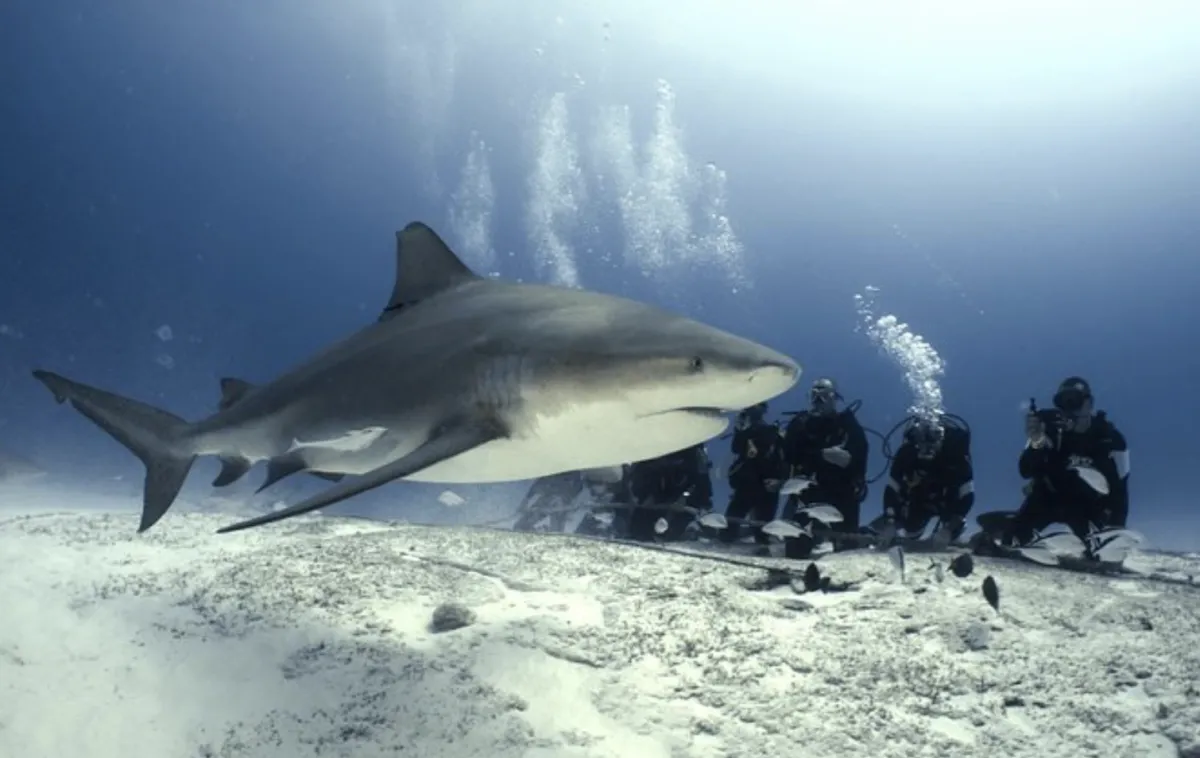
From November to March, female bull sharks gather along the coast of Playa del Carmen, creating one of the Caribbean's most unique seasonal dive experiences. Observation dives give certified divers the opportunity to see these impressive animals in their natural environment and observe their behaviour from a respectful distance. These trips include a second reef dive.
COZUMEL
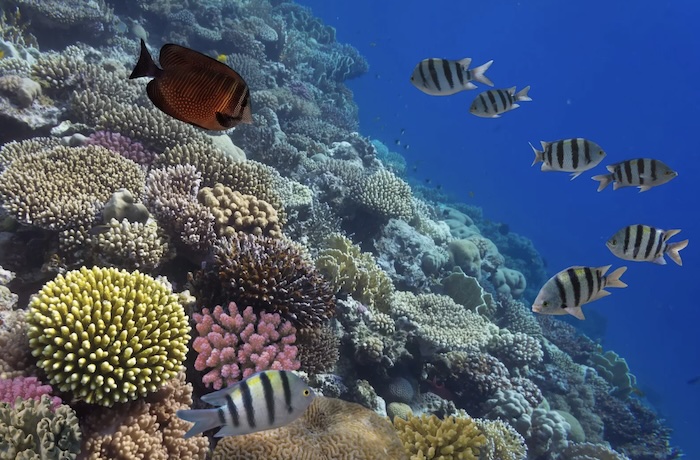
Widely considered some of the best reef diving in the region, Cozumel is famous for exceptional visibility, dramatic coral formations, and world-class drift diving. We can organise day trips from Tulum - it's an early start, but the vibrant marine life and spectacular reef scenery make it well worth the journey.
What is included?
All-inclusive reef diving tours with no hidden fees.

All boat / entrance fees

All necessary dive equipment

Round-trip transport from our dive shop

Snacks, fruit and water
Reef Diving FAQs
Do I need to be certified to join these dives?
Yes. Reef dives are for certified divers and different dive sites may have different experience requirements.
What experience level is required for the bull shark dive?
Bull shark dives take place at around 20-24 meters, so divers need Advanced Open Water certification (or equivalent) and should be comfortable diving at depth.
Is reef diving suitable for younger divers?
Yes. Reef dives, particularly those on Tulum reef, are a great option for families with certified divers under 15, as younger divers cannot dive in cenotes.
When is the best time of year for reef diving in Tulum?
You can dive the reef year-round in Tulum, although the easterly trade winds can occasionally make the sea choppier along the coast, especially in the winter and early spring. We plan reef dives on the days when conditions are best, and if the port is closed due to rough seas, cenote diving is a great alternative.
Can snorkelers join the reef dives?
No. Snorkeling and scuba diving take place in different areas of the reef, as snorkelers need shallow sections that can be seen clearly from the surface, while divers explore deeper parts of the reefs. We do offer snorkeling trips to the reef for those who prefer to stay on the surface.
If there is a question that we haven't answered, please reach out!
Contact Us
Calle Polar Pte
entre Calle Beta Norte y Orion Nte
Tulum Centro 77760


Photo credits: Ernesto Ortega @aqualens_mx